
How to Treat Hyperpigmentation and Dark Spots After a Summer in the Sun
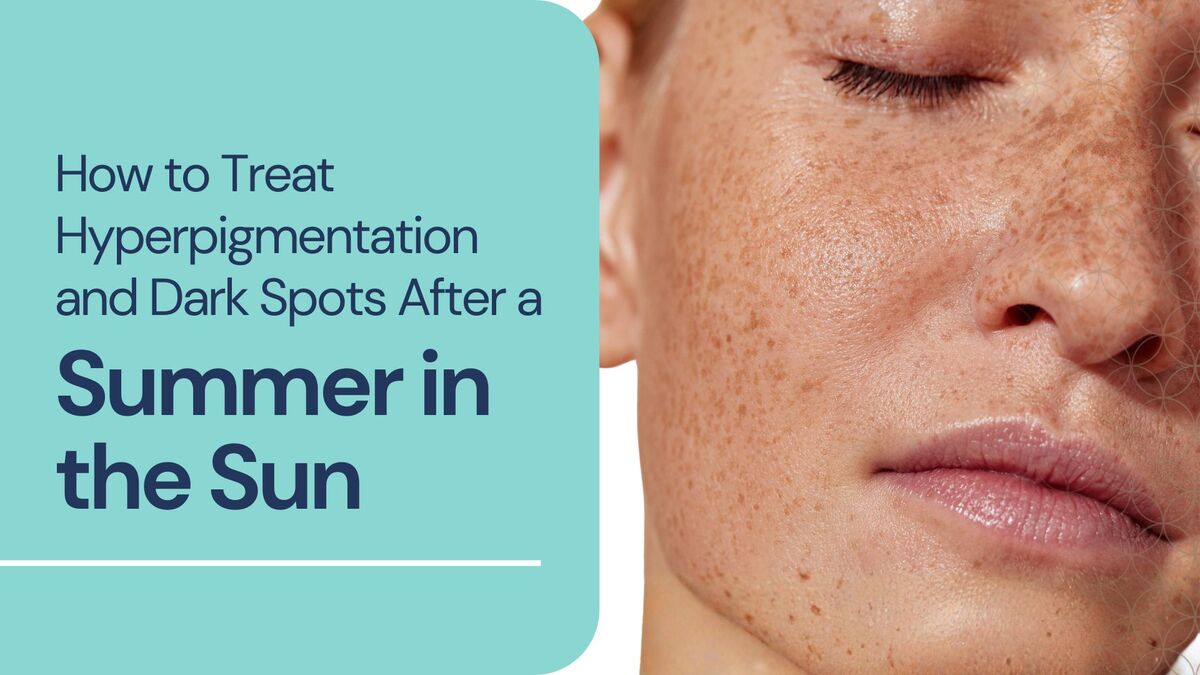
Are you noticing a few new dark spots or patches of uneven tone after a summer spent outdoors? Those spots, also known as hyperpigmentation, are one of the most common concerns clients bring through our doors after months of sun exposure.
Fortunately, Hyperpigmentation is very treatable and with the right approach, those spots don't have to stick around.
This article explains what causes pigmentation, why it tends to worsen after summer, and which treatments and products help your skin return its balance.
Why Dark Spots Show Up After Summer
Understanding what's happening beneath the surface makes hyperpigmentation less frustrating and easier to address.
Excess Melanin Is Behind the Spots
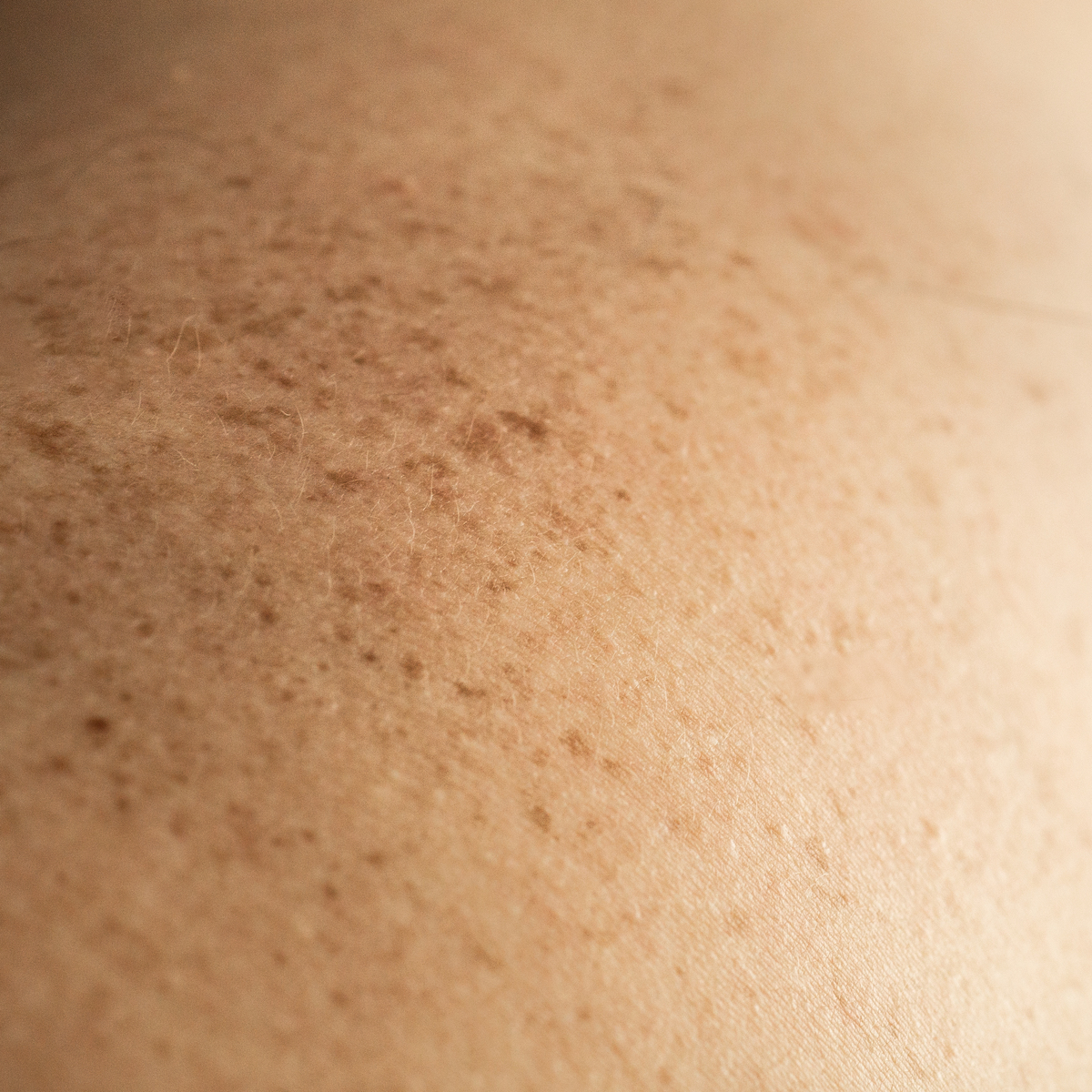
Hyperpigmentation occurs when your skin produces excess melanin, the pigment responsible for skin color. Excess melanin collects in concentrated areas, creating dark spots, patches, or uneven tone.
Several factors can trigger melanin overproduction, including hormonal changes and inflammation, but sun exposure is the most significant by a wide margin.
Knowing which type of pigmentation, you're dealing with helps shape the right treatment plan:
- Sunspots: small, flat, well-defined brown spots, sometimes called sun spots or age spots. They develop after years of UV exposure and show up on the areas that get the most sun, like the face, chest, hands, and shoulders.
- Melasma: larger patches that tend to appear symmetrically across the cheeks, forehead, and upper lip. It's often linked to hormonal shifts such as pregnancy or birth control, and sun exposure makes it more noticeable.
- Post-inflammatory hyperpigmentation: flat marks left behind after the skin heals from a breakout, irritation, or injury. These spots are common after acne and can take time to fade on their own.
Summer Sun Makes It Worse
UV exposure signals your skin to produce more melanin as a protective response. A full summer of sun, even with diligent sunscreen use, drives cumulative melanin production.
Existing spots tend to darken along the way, which is why pigmentation often peaks in late summer and early fall. This is also why so many people notice their dark spots more once the season winds down.
The cumulative effect of months in the sun becomes visible all at once, and the contrast against fading summer color can make spots stand out even more. The timing makes early fall a natural moment to start addressing pigmentation.
How to Treat and Fade Hyperpigmentation
Pigmentation responds well to treatment, especially when professional care and the right products work together. Here's a look at the options that make the biggest difference.
Chemical Peels Resurface and Even Tone
Chemical peels remove pigmented surface cells and stimulate renewal, revealing more even skin underneath. They're one of the most effective professional options for addressing hyperpigmentation.
Your provider determines which chemical peel fits your skin and the depth of your pigmentation, since the right level depends on how much correction your skin needs.
Peels also pair well with a consistent at-home routine. Resurfacing the skin clears the way for your brightening products to absorb and work more effectively, which is part of why a combined approach tends to deliver the best results.
Brightening Products Fade Spots and Prevent New Ones
Medical-grade brightening products work to fade existing pigmentation and prevent new spots from forming. Consistency is what makes them effective, and results build gradually over time.
A couple of options worth considering:
- iS Clinical Active Serum supports brightening and tone correction with regular use.
- Obagi Professional-C Serum 15% pairs antioxidant protection with brightening benefits.
These products work best as part of a daily routine rather than an occasional fix. Pigmentation took a full season to surface, so giving brightening products several weeks to show results sets realistic expectations and keeps you on track.
Daily SPF Protects Your Progress
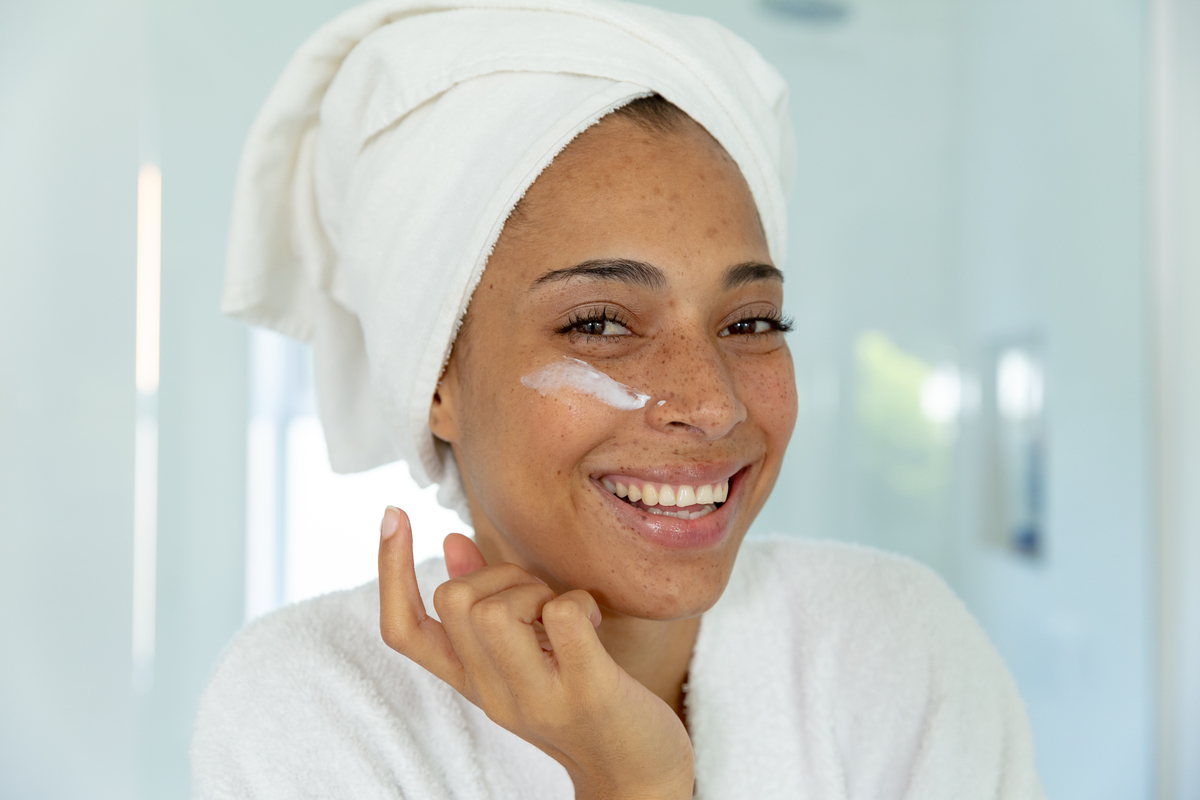
Sun protection is non-negotiable when you're treating pigmentation. Without daily SPF, new sun exposure undoes the progress your treatments and products are making. This is the single most important habit for maintaining an even tone over the long term.
Daily protection matters even on cloudy days and through the cooler months, since UV exposure continues year-round. Reapplying during extended time outdoors keeps your skin covered when it counts.
- iS Clinical Extreme Protect SPF 30 delivers daily broad-spectrum defense with antioxidant support.
Restore an Even Tone with Pellé Medical Skincare
Hyperpigmentation is one of the most common concerns after summer, and one of the most treatable. The right combination of professional treatment and medical-grade products can fade dark spots and restore a more even tone over time.
For a broader look at reversing the effects of sun exposure, our guide on repairing sun-damaged skin covers more ground. Our providers at Pellé Medical Skincare assess your skin and build a plan tailored to your pigmentation and goals.
Ready to fade those dark spots and even out your tone? Schedule an appointment with us today to get started.