
How Major Lifestyle Changes Such as Pregnancy and Menopause Affect Your Skin
How Major Lifestyle Changes Such as Pregnancy and Menopause Affect Your Skin
Your skin is always evolving, even when your routine stays the same. Sometimes that shift is subtle. Other times, it shows up overnight. And when your body goes through major transitions like pregnancy or menopause, it’s only natural for your skin to change right along with you.
These changes can feel confusing, especially when the products you’ve relied on stop working the way they used to. These shifts don’t have to be alarming, especially when you understand what’s causing them.
Understanding why your skin behaves differently during certain life stages is the first step toward caring for it.
This article explores how internal changes affect your skin over time and how personalized skincare can evolve with your body’s needs. You’ll also learn how our team at Pellé Medical Skincare supports you through every chapter with science-backed treatments and thoughtful guidance.
Why Skin Changes as Your Life Changes
Skin is incredibly responsive to the shifts happening inside your body. While it might seem like new issues appear out of nowhere, there’s almost always a reason rooted in biology or lifestyle. Understanding those reasons brings a sense of clarity and direction, especially when skin changes feel unpredictable.
Hormones Influence Oil, Pigment, and Sensitivity
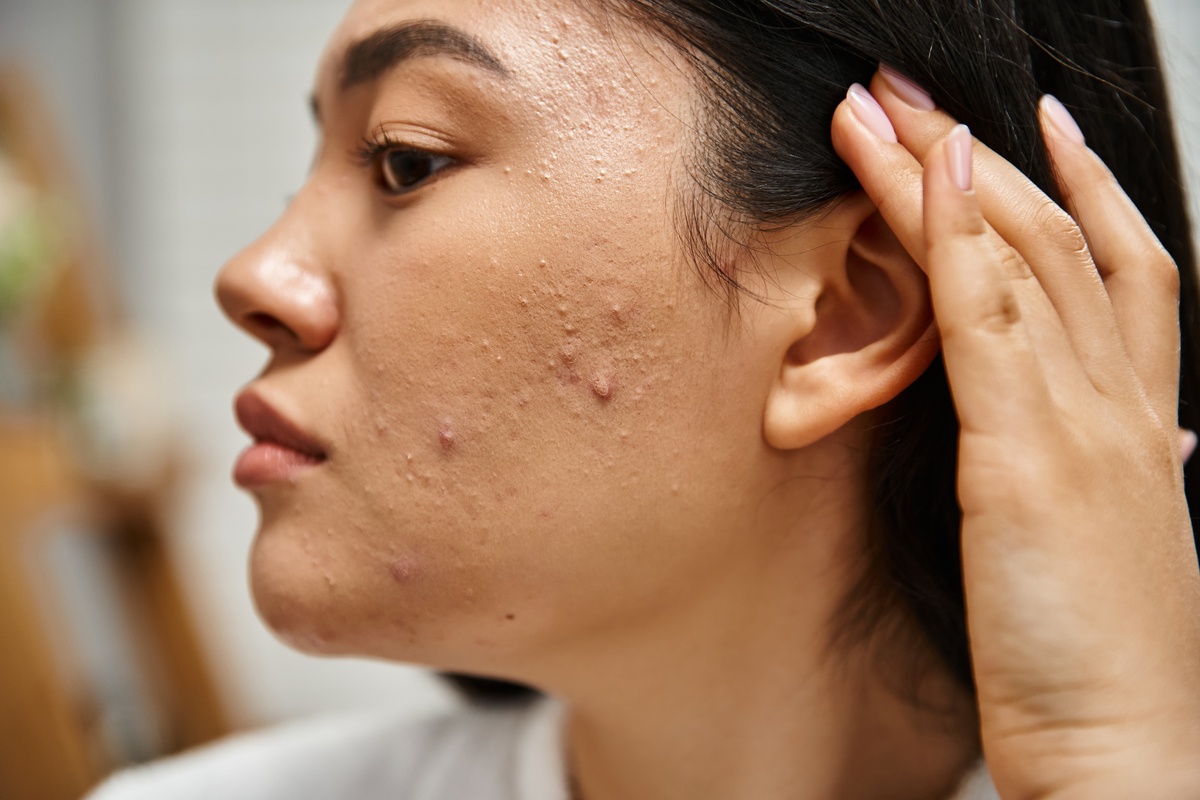
Hormones play a powerful role in how your skin behaves. Estrogen and progesterone help regulate oil production, hydration, and overall balance. When these levels rise or fall, skin can respond with breakouts, dryness, or changes in pigmentation.
Cortisol, the body’s primary stress hormone, can also increase inflammation and make skin more reactive.
Hormonal shifts don’t always follow a predictable pattern. Pregnancy can bring a dewy glow one trimester and flare-ups the next. Perimenopause and menopause often lead to gradual declines in estrogen, which affect firmness, texture, and hydration.
Lifestyle Shapes Skin Health Over Time
Beyond hormones, everyday habits and experiences shape your skin’s resilience.
Sleep quality, stress levels, nutrition, and sun exposure all play ongoing roles. Over time, inconsistent routines or high emotional stress can take a visible toll.
Skin needs time to recover and adjust. Skipping rest, skimping on hydration, or relying on harsh products during busy seasons can disrupt your skin barrier and increase sensitivity. Paying attention to these patterns helps build a more sustainable skincare foundation.
Skincare Considerations During Pregnancy and Postpartum
Pregnancy is one of the most transformational periods in a person’s life, and skin often responds in ways that feel unfamiliar.
Some changes are purely cosmetic, while others reflect deeper hormonal or physiological shifts. Having professional guidance during this time ensures skincare remains safe and supportive.
Common Skin Changes During Pregnancy
Every pregnancy is unique, but there are a few skin responses that tend to come up often:
- Increased oil production, which can lead to pregnancy acne
- Changes in pigmentation, including brown spots while pregnant or the pregnancy mask (melasma)
- Heightened sensitivity to ingredients or sun exposure
- Dry skin, itchiness, or new growths like skin tags
These changes are typically temporary, but they still deserve thoughtful care and attention.
Professional Guidance Keeps Care Safe and Effective
Not all skincare products and treatments are safe during pregnancy or while breastfeeding. Active ingredients like retinoids, certain acids, and many essential oils should be avoided, but that doesn’t mean your skin has to go without support.
Our providers help you navigate questions. For instance, questions like, “can you get a facial while pregnant?” will be answered. We guide you toward treatments that prioritize safety and results.
A personalized approach ensures your skin gets what it needs without unnecessary risk.
How Perimenopause and Menopause Affect the Skin
Hormonal changes in midlife can feel sudden, even when they build gradually over time. Skin may behave differently than it did for decades, and many people are surprised by how much it changes.
Declining Estrogen Changes Texture and Firmness
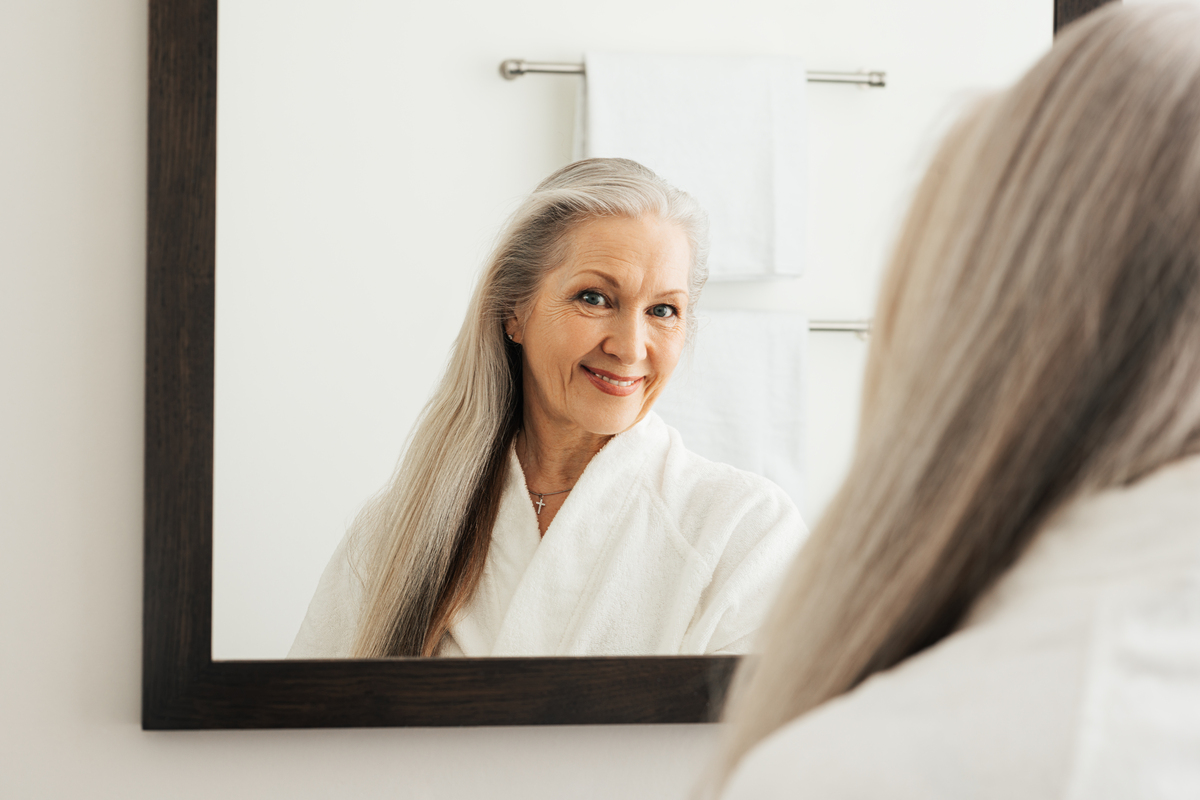
As estrogen levels drop, skin tends to become thinner, drier, and less elastic. Collagen production slows down, which affects firmness. Natural oils decrease, leading to tightness or dullness. Common concerns during this phase include:
- Dry skin
- Increased sensitivity or rash-like irritation
- Loss of volume or visible lines
- Itchy skin
These changes are part of the natural aging process, but that doesn’t mean you have to accept discomfort or frustration.
Targeted Treatments Support Resilience and Comfort
At Pellé, we focus on supporting your skin rather than trying to reverse what’s natural. Treatments during menopause often include hydration-focused facials, barrier-repairing products, and collagen-supportive options that keep your skin feeling strong and healthy.
Instead of starting over, we help you build on the care you already trust by adjusting your plan to fit where you are now.
Lifestyle Milestones That Shift Skin Needs
Even outside of hormonal transitions, everyday life can lead to noticeable changes in your skin. Some shifts happen gradually, while others appear quickly due to stress, travel, or the environment.
Stress, Career Changes, and Caregiving Show on the Skin
Emotional and physical stress increase cortisol levels, which can lead to inflammation, redness, and breakouts. Long work hours, caregiving responsibilities, or major life decisions often affect sleep and hydration too, which can leave skin looking tired or dull.
Giving your skin extra support during high-stress seasons isn’t about vanity. It’s about comfort and balance.
Travel, Exercise, and Sun Exposure Require Routine Adjustments
Lifestyle choices that keep your body healthy can also require skincare adjustments. Whether you’re training for a marathon, spending more time outdoors, or frequently changing climates, your skin responds to all of it.
Sweat, sun, heat, and humidity can all shift your needs. Adding or removing products seasonally, switching textures, or adjusting frequency of exfoliation can help your skin stay clear and protected.
How Professional Skincare Adapts Across Every Stage
Skin doesn’t follow a single timeline. That’s why personalized care matters. No two bodies experience life changes the same way, and no two skin types respond identically. Our goal is to adapt with you, so your skincare always meets you where you are.
Personalized Evaluations Guide Each Adjustment
We begin every treatment plan with a thorough evaluation of your skin’s current condition, lifestyle, and concerns. As things shift, whether due to pregnancy, hormonal changes, or a stressful season, we reassess and adjust together.
This approach makes sure your skincare always reflects what your body needs right now, not what worked six months ago.
Medical-Grade Treatments Support Long-Term Skin Health
Since we work with medical-grade products and treatments, we’re able to customize solutions that evolve with your goals. Whether you need hydration, brightening, calming, or firming, we’ll help your skin stay resilient and supported.
Consistency, education, and expert guidance all come together in a care plan designed just for you.
Support Your Skin Through Every Milestone with Pellé Medical Skincare
Your skin is with you through every chapter. At Pellé Medical Skincare, we’re here to make sure it feels cared for in each one.
Our providers adapt care plans as your skin changes. Personalized treatments support comfort, confidence, and long-term health.
Schedule an appointment with us today to help your skin respond well to each new phase of life.