Chemical Peels: What They Do, Who They're For, and What to Expect
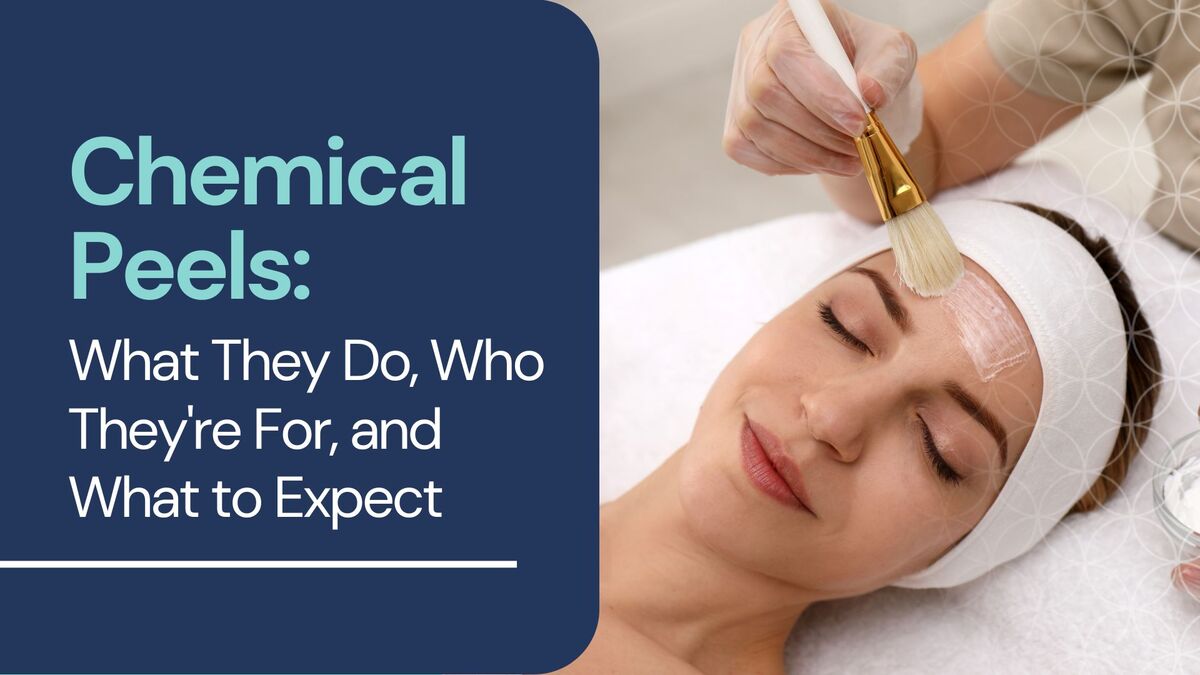
The word "peel" can paint a pretty dramatic picture. Raw skin, days of redness, peeling you can't hide. It's no wonder the treatment makes some people hesitant. The reality is a lot more approachable than that reputation suggests.
A chemical peel is a professional skincare treatment that uses a specialized solution to remove damaged outer layers of skin and stimulate new cell growth underneath.
The treatment ranges widely in intensity, and most people are good candidates for at least one type. The right one depends on your skin, your concerns, and what you're hoping to achieve.
This guide covers what chemical peels actually do, how to know if one is right for you, and what to expect before, during, and after treatment.
.jpg)
What a Chemical Peel Actually Does to Your Skin
Chemical peels work beneath the surface to accelerate what your skin does naturally. Understanding the process helps the treatment feel less mysterious and more manageable.
Controlled Exfoliation Below the Surface
A chemical peel uses a professional-grade solution to break down the bonds between dead and damaged skin cells. This speeds up your skin's natural renewal process in a way that at-home exfoliation can't reach. The result is smoother texture, more even tone, and fresher skin underneath.
Your Skin's Response Is Part of the Process
Peeling, mild flaking, or temporary sensitivity after a treatment is your skin shedding the damaged layer and revealing new cells beneath it. This response varies depending on the depth of the peel, but it's expected, manageable, and temporary.
Results Build Over Time
Some improvement is visible after a single peel, but the full benefit often develops over a series of treatments. Consistent sessions allow your skin to progressively improve in clarity, tone, and texture. Each treatment builds on the one before it.
The Different Levels of Chemical Peels
Not all chemical peels are created equal. The depth of the peel determines the intensity of your results, the recovery involved, and which concerns get addressed. Here's how the levels break down.
Superficial Peels for Surface-Level Refreshing
Superficial peels target the outermost layer of skin. They address mild dullness, light texture irregularities, and minor discoloration.
Recovery is minimal, and most people return to their normal routine the same day. These are sometimes called "lunchtime peels" for that reason. If you're new to professional peeling or want a quick refresh, this is a comfortable place to start.
Medium-Depth Peels for More Visible Concerns
Medium-depth peels reach further into the skin to address moderate sun damage, uneven tone, fine lines, and more stubborn texture. Some visible peeling and a few days of recovery are typical. The tradeoff is results that are more pronounced and longer lasting than what a superficial peel can deliver.
Medical-Grade Peels for Significant Correction
Medical-grade peels target deeper concerns like stubborn pigmentation, acne scarring, and more advanced texture issues. These require professional oversight, and the recovery process involves closer adherence to aftercare instructions.
Recovery can take one to two weeks depending on the depth of the peel, but the results are the most dramatic of any peel level.
How to Know If You're a Good Candidate
One of the most common questions people have before booking a peel is whether their skin is the right fit. The good news is that candidacy is broader than most people assume.
Concerns That Respond Well to Chemical Peels
Chemical peels are effective for a wide range of skin concerns. Dullness, rough texture, uneven skin tone, hyperpigmentation, fine lines, mild acne scarring, and recurring breakouts all respond well to the right peel. The specific concern helps determine which peel level is most appropriate.
Factors That May Affect Your Candidacy
Certain conditions or circumstances may require extra consideration before treatment. Your provider may need to account for:
- Active skin infections
- Recent sun exposure
- Certain medications like Accutane
- Some existing skin conditions
This doesn't necessarily mean a peel is off the table, but your provider will need to evaluate your skin first.
A Consultation Gives You a Clear Answer
Candidacy is personal. Your provider evaluates your skin type, your history, your current routine, and your goals before recommending a specific peel. This removes the guesswork and ensures the treatment is matched to what your skin actually needs.
What to Expect Before, During, and After Your Peel
Knowing what happens at each stage takes uncertainty out of the experience. Here's a realistic look at the full process.
Preparing for Your Peel
Some peels require a brief preparation period. Your provider may recommend pausing certain actives like retinoids or exfoliants or using specific prep products in the days or weeks before treatment.
Preparation varies by peel type, and your provider gives clear instructions ahead of time so there are no surprises.
During the Treatment
In the treatment room, your provider cleanses your skin and applies the peel solution. You may feel a mild tingling or warming sensation that varies by peel depth. The treatment itself is relatively quick, and your provider monitors the process and adjusts based on how your skin responds.
Recovery and Aftercare
Recovery depends on the depth of the peel. Superficial peels may involve slight tightness or light flaking for a day or two. Medium and medical-grade peels involve more visible peeling and a healing window that can range from several days to two weeks.
Sun protection is critical during recovery, and your provider outlines specific aftercare steps tailored to your peel.
When You'll See Results
Superficial peels often show immediate freshness with cumulative improvement over a series. Medium and deeper peels reveal more significant results as the skin heals over one to two weeks. Full benefits continue to develop in the weeks following treatment, so the best version of your results takes a little patience.
Refresh Your Skin with a Chemical Peel at Pellé Medical Skincare
Chemical peels deliver real, visible improvement when they're matched to your skin and guided by experienced providers. At Pellé Medical Skincare, our team evaluates your concerns and your goals to recommend the right peel for you.
Whether you're preparing for a specific event or ready to address a long-standing concern, we help you move forward with clarity and confidence. If you're also curious about the best time of year to schedule a peel, our seasonal timing guide breaks that down.
Ready to see what a chemical peel can do for your skin? Schedule an appointment with us today and we'll help you find the right fit.